
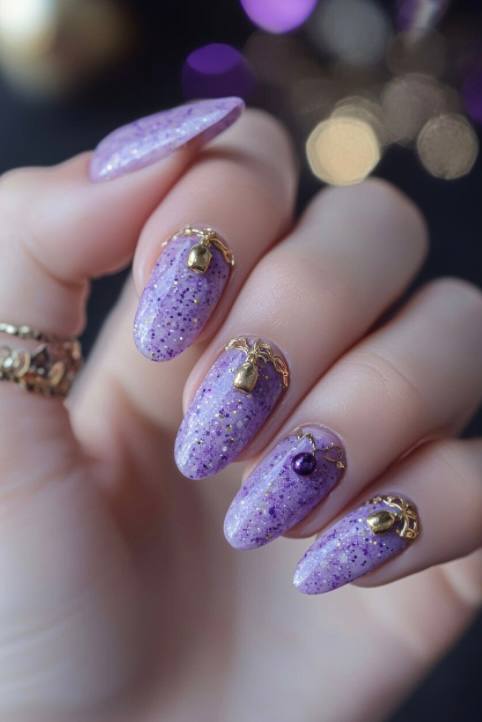
There’s nothing quite like the feeling of a fresh manicure, right? I still remember the time I treated myself to a manicure only to find the polish chipping within 24 hours. Frustrated and disheartened, I realized that my experience stemmed from a lack of proper technique and care. This moment inspired me to delve deeper into the art of manicure, and today, I’m excited to share what I’ve learned about perfecting a manicure 99216 that lasts and looks fabulous.
From understanding cuticle care to mastering the application of gel or dip powder, each step plays a crucial role in achieving that perfect nail. If you’re feeling overwhelmed by the options or unsure where to start, don’t worry. By the end of this article, you’ll have a comprehensive understanding of how to achieve a stunning manicure 99216 that not only looks great but also promotes nail health.
It’s essential to note that a poorly executed manicure can lead to various issues, including lifting, breakage, and even health risks for your nails. Let’s dive into the nitty-gritty of what makes a manicure truly exceptional.
Understanding Manicure 99216

When we talk about manicure 99216, we’re referring to a specific standard of nail care that emphasizes the health of your nails alongside their appearance. A successful manicure goes beyond just applying polish; it involves caring for the entire nail unit, which includes the nail plate, cuticles, and surrounding skin.
The foundation of any great manicure begins with understanding the anatomy of the nail. The proximal nail fold, often confused with the cuticle, is actually living tissue and should never be cut. Instead, gentle pushing back of the cuticles and trimming only the loose, dead cuticle tissue is advised. This practice helps maintain the biological seal of the nail, preventing issues like painful hangnails and potential infections.
Cuticle Care: The Key to Healthy Nails
Cuticle care is often overlooked, yet it is one of the most critical aspects of any manicure. Proper cuticle maintenance involves softening the cuticles using a gentle cuticle remover or oil, then carefully pushing them back with a wooden stick or a professional cuticle pusher. It’s essential to avoid cutting into live tissue, as this can lead to inflammation and infection.
Here’s a simple breakdown of how to care for your cuticles:
- Soften: Use a cuticle oil or remover to soften the cuticles before pushing them back.
- Push Back: Gently push the cuticles back with a cuticle pusher, ensuring that you are only addressing the dead skin.
- Trim: Only trim any loose or dead hangnails; never cut into the live cuticle.
By following these steps, you’ll not only improve the appearance of your nails but also enhance their overall health.
Choosing the Right Polish: Gel, Dip, or Regular?

One of the most crucial decisions you’ll make when it comes to your manicure is the type of polish to use. Each has its unique benefits and drawbacks, so let’s break them down:
Regular Lacquer
Regular nail polish is great for those looking for a quick and easy application. However, it typically chips more quickly than gel or dip options. For a casual look or a one-time event, regular lacquer can work just fine.
Gel Polish
Gel polish offers longer-lasting wear, generally lasting up to two weeks without chipping. The application involves curing under a UV or LED lamp, which can be a bit daunting at first but is well worth it for the durability it provides. Just ensure that your technician leaves a micro-gap of about 1mm between the polish and the proximal nail fold to prevent lifting.
Dip Powder
Dip powder is another excellent option, known for its strength and long-lasting finish. It involves dipping your nails into colored powder and sealing it with a top coat. While it can last up to three weeks, it’s essential to ensure that the application is done correctly to avoid damaging your natural nails.
Ultimately, the choice between these options should be based on your lifestyle and the maintenance you’re willing to commit to. For those with an active lifestyle, gel or dip might be the better choice, while regular lacquer might suit someone looking for a temporary color.
Perfecting Your Manicure Technique
To achieve a flawless manicure, technique is everything. From nail trimming to the application of polish, every step matters. First and foremost, nails should always be trimmed straight across with smooth edges to prevent ingrown toenails.
When it comes to applying polish, remember that thin, even coats are crucial. Thick layers may seem tempting for a quicker finish, but they can lead to uneven drying and peeling. Additionally, always ensure complete curing of gel or dip products—this is vital for longevity. A well-done manicure will not only look great but also withstand the test of time.
Hygiene and Sanitation: A Non-Negotiable
Hygiene standards in nail salons are paramount, and as a client, you should always be aware of the sanitation practices in place. Look for salons that utilize medical-grade autoclave sterilization for their tools, and insist on single-use disposable items like files and buffers. Foot basins should be pipe-less or have disposable liners to prevent cross-contamination.
Before any service, a good technician will wash their hands thoroughly, demonstrating their commitment to your safety and well-being. If you notice any red flags, such as reused tools that haven’t been properly sterilized, it’s best to seek services elsewhere.
Local Climate and Nail Care

Living in a specific climate can also influence your nail care routine. In our area, the summer heat and dry air conditioning can lead to dry skin and cracked heels, making regular pedicures essential. If you love wearing sandals, maintaining healthy feet becomes even more important.
Consider incorporating regular moisturizing treatments into your routine, especially if you notice your skin becoming dry or cracked. Additionally, staying hydrated can significantly improve your skin and cuticle health, ensuring that your nails look their best.
What to Look for in a Local Nail Salon
Finding the right salon for your manicure 99216 experience is crucial. Look for a local salon that prioritizes hygiene, offers a variety of services, and has technicians who are not only skilled but also passionate about their craft. A good salon will take the time to understand your needs and provide personalized recommendations.
I highly recommend visiting manicure 99216 for a top-notch experience. They focus on high-quality service and maintain impeccable hygiene standards. You can expect a relaxing environment and a team of dedicated professionals ready to make your nails shine.
Frequently Asked Questions
How often should I get a manicure?
It’s generally recommended to get a manicure every 2-3 weeks, especially if you’re using gel or dip polish. Regular maintenance helps keep your nails healthy and looking their best.
Can I do my own manicure at home?
Absolutely! With the right tools and products, you can achieve a great manicure at home. Just remember to follow proper techniques for cuticle care and polish application.
Is gel polish bad for my nails?
When applied and removed correctly, gel polish should not harm your nails. However, improper removal can lead to damage, so always have a professional handle the process.
What should I do if my nails start to lift?
If your nails start to lift, it’s best to see a professional for a proper assessment. They can help determine the cause and recommend the best course of action.
Why is hygiene so important in nail salons?
Hygiene is crucial in nail salons to prevent infections and ensure the safety of clients. Proper sanitation practices protect both clients and technicians from potential health risks.