
When it comes to nail enhancements, choosing between gel, acrylic, or dip powder can feel overwhelming, especially with the variety of products available today. Each option has its unique chemistry and benefits, making it essential to understand how they differ to find the best fit for your lifestyle and nail health. In this article, we’ll break down the nuances of liquid and powder acrylics, oligomer UV/LED gels, and cyanoacrylate dip systems, providing you with the knowledge needed to make an informed decision. Additionally, we’ll explore their physical properties, including flexural strength, durability, and proper maintenance techniques to ensure your nails look stunning while remaining healthy. If you’re in the Little Rock area, consider visiting nail salon 72207 for exceptional nail care services.
Deconstructing Polymer Chemistry: Acrylic vs. Gel vs. Dip Powder
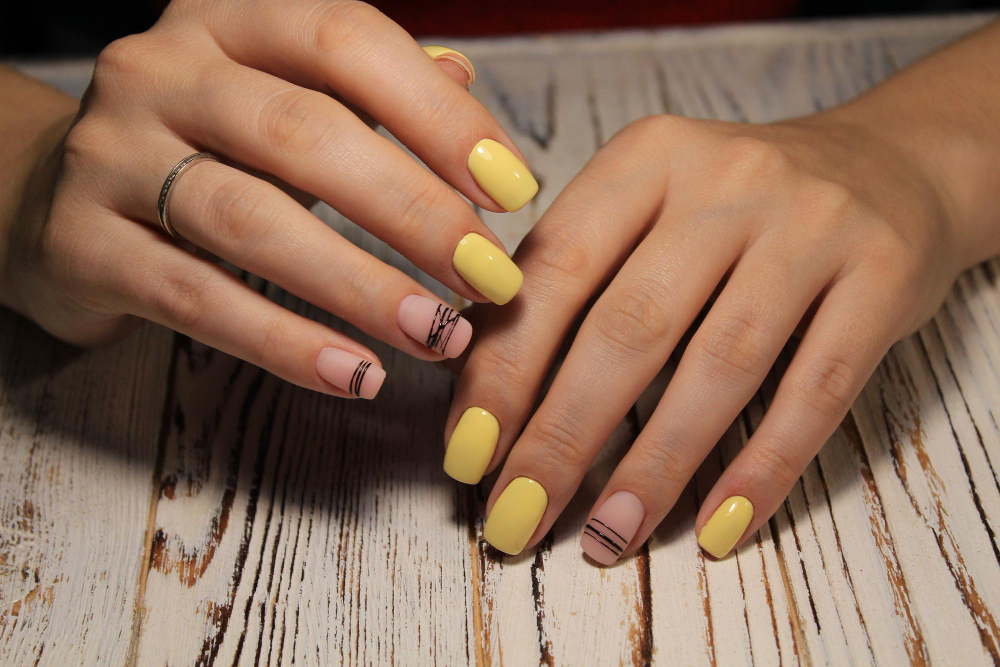
Understanding the chemistry behind these nail enhancements is crucial for selecting the right one for your needs. Acrylic nails are created by mixing a liquid monomer (ethyl methacrylate) with a powder polymer, resulting in a durable, customizable enhancement. The mixture cures in the air, forming a hard layer that can last several weeks. On the other hand, gel nails utilize oligomers, which are pre-polymers that change properties when exposed to UV or LED light. This light-cured process results in a glossy finish that is less damaging to the natural nail than traditional acrylics.
Dip powder enhancements, often seen as a hybrid, use a cyanoacrylate adhesive that bonds the powder to the nail. This method is quicker and provides a strong hold, but can sometimes lead to over-application, which may weaken the natural nail over time. Each of these systems has its unique characteristics and benefits, so understanding these differences in polymer chemistry can help you choose the best option for your lifestyle and preferences.
Flexural Strength and Shock Absorption: Choosing the Right Type
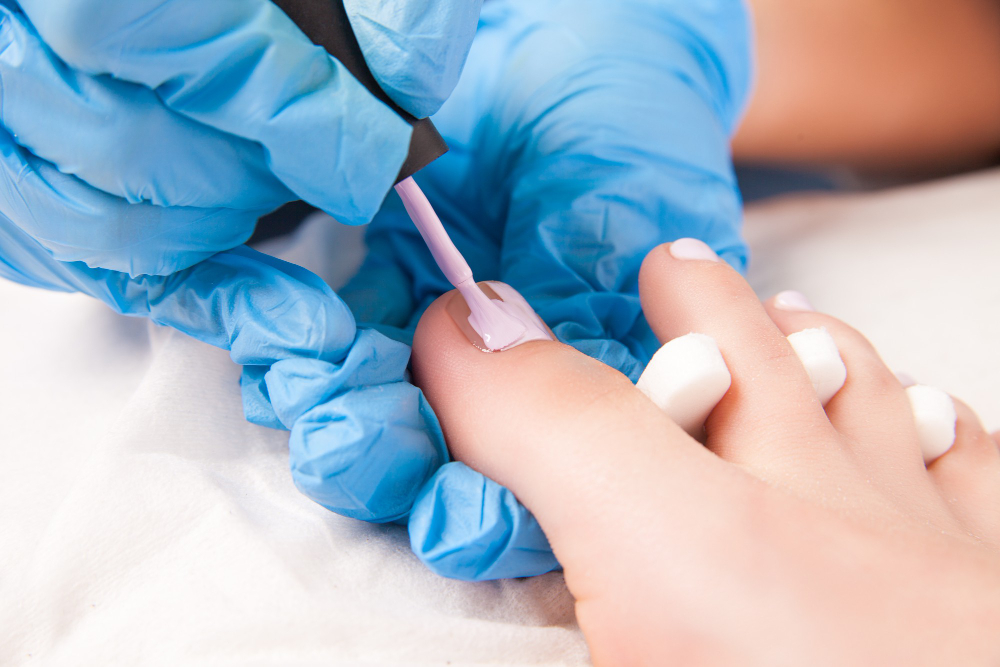
The physical properties of these enhancements play a significant role in their performance, especially for those engaged in manual labor or sports. Flexural strength measures how much stress a material can withstand without breaking. Acrylic nails generally possess a higher flexural strength, making them suitable for those who require durability. This strength is beneficial for individuals in physically demanding jobs or sports where the risk of chipping or breaking nails is higher.
In contrast, gel nails offer a more flexible solution, ideal for clients with naturally thin or flexible nails. The elasticity of gel allows for movement without the risk of cracking, making it a good choice for those who prefer a more natural feel. Dip powder nails, while strong, can sometimes be rigid, which may not suit everyone. When considering which enhancement to choose, assess your daily activities and how much wear and tear your nails will experience, ensuring your choice aligns with your lifestyle.
The Crucial Hairline Gap: Preventing Moisture Entrapment
One common mistake in nail enhancements is neglecting the crucial hairline gap, which is the space left between the product and the proximal nail fold. This gap, ideally around 1mm, is essential for allowing the natural nail to grow without trapping moisture and bacteria underneath the enhancement. Moisture entrapment can lead to discoloration, lifting, and even fungal infections.
It’s vital to ensure that your technician applies the product correctly, leaving this gap. During a service such as a gel manicure at Top Nails, experienced technicians carefully evaluate the placement of the product to maintain this crucial space. Regular maintenance appointments are also key to managing this gap as your nails grow, preventing any potential issues that can arise from improper application.
Non-Destructive Removal Protocols: Protecting the Natural Nail
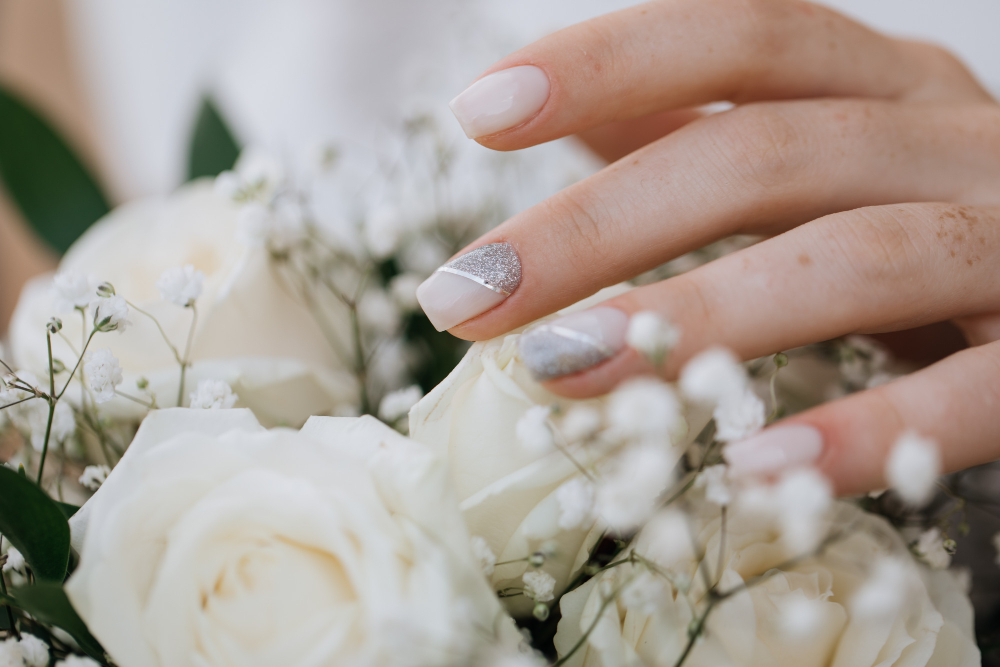
Removal techniques for nail enhancements are just as important as application. Unfortunately, many individuals still opt for destructive methods such as mechanical peeling or prying, which can severely damage the dorsal keratin layers of the natural nail. This damage can lead to thinning and weaken the nail plate over time.
The correct approach to removing enhancements is to soak them off using acetone or a specialized soak-off solution. This gentle method allows the product to dissolve without compromising the integrity of the natural nail. At Top Nails, we prioritize the health of your nails, utilizing safe removal techniques to ensure your nails remain strong and healthy, even after multiple enhancement applications.
Exploring Long-Term Effects: Health Considerations
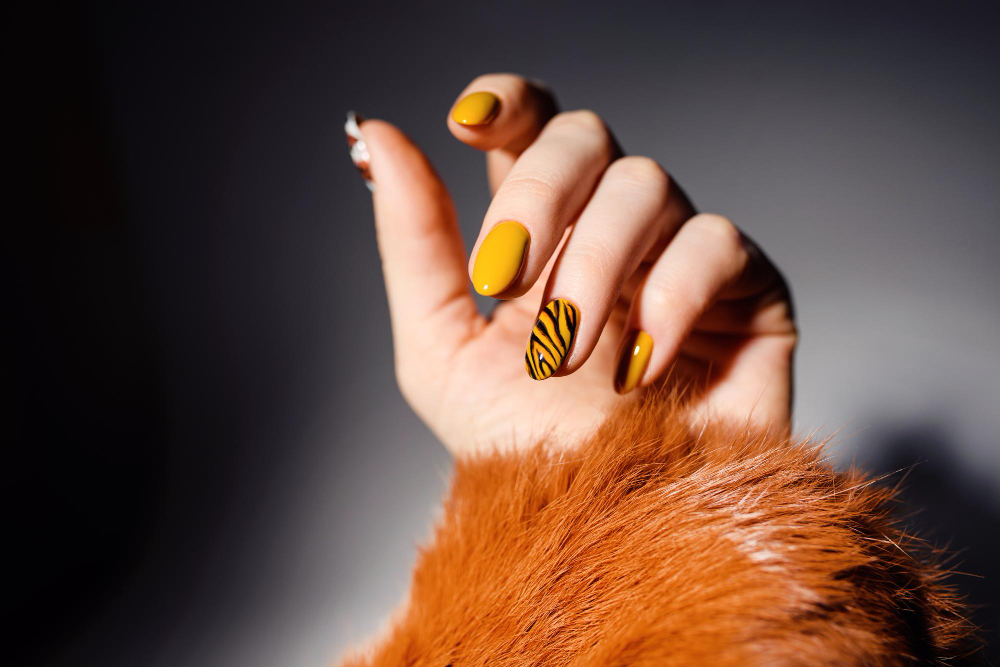
It’s essential to consider the long-term effects of each enhancement type on your nail health. Acrylic nails, while durable, can lead to dehydration of the natural nail if not properly maintained. Regular hydration and care are crucial. Gel nails, although more flexible, can pose issues if overexposed to UV light, emphasizing the importance of UV protection and proper application techniques.
Dip powder nails, while popular for their ease of application and durability, can sometimes lead to over-application, risking nail health. It’s crucial to communicate with your technician about any concerns you may have regarding the health of your nails. Professional services at Top Nails not only focus on aesthetics but also prioritize your nail health, ensuring that you leave feeling confident and cared for.
Conclusion: Making the Right Choice for You
Ultimately, choosing between gel, acrylic, or dip powder nails comes down to personal preference, lifestyle, and nail health considerations. Each enhancement has its unique strengths and weaknesses, and understanding these factors can help you make an informed decision. For those in Little Rock seeking expert advice and high-quality nail care, Top Nails is dedicated to providing exceptional service tailored to your individual needs. Whether you opt for a classic gel manicure or a luxurious dip powder treatment, our skilled technicians ensure you receive the best care possible.