
If you’re experiencing itching, redness, or swelling after a gel manicure, the quickest way to treat an allergic reaction to gel nail polish is to remove the product, clean the area, and apply soothing medication. At Nails Envy we see many clients concerned about this issue, so we’ve compiled clear, dermatologist‑approved steps to bring relief and prevent future flare‑ups.
Identify symptoms of gel polish allergy
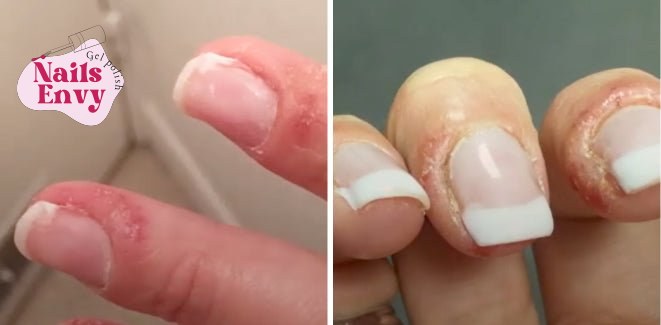
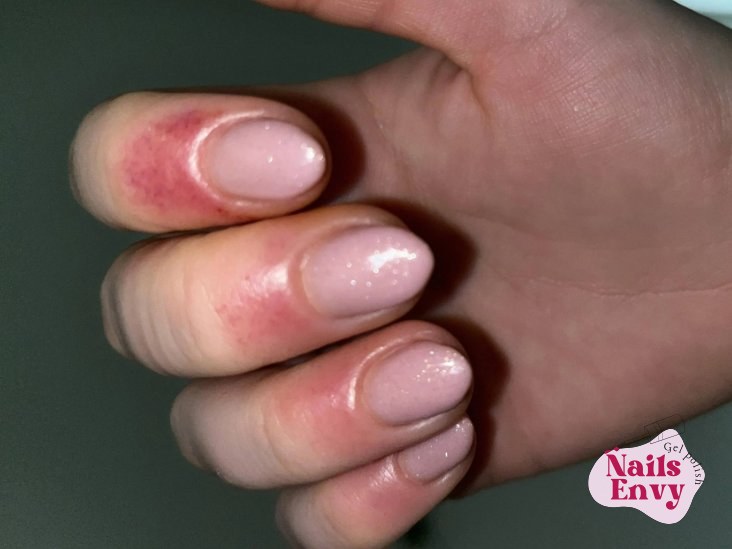
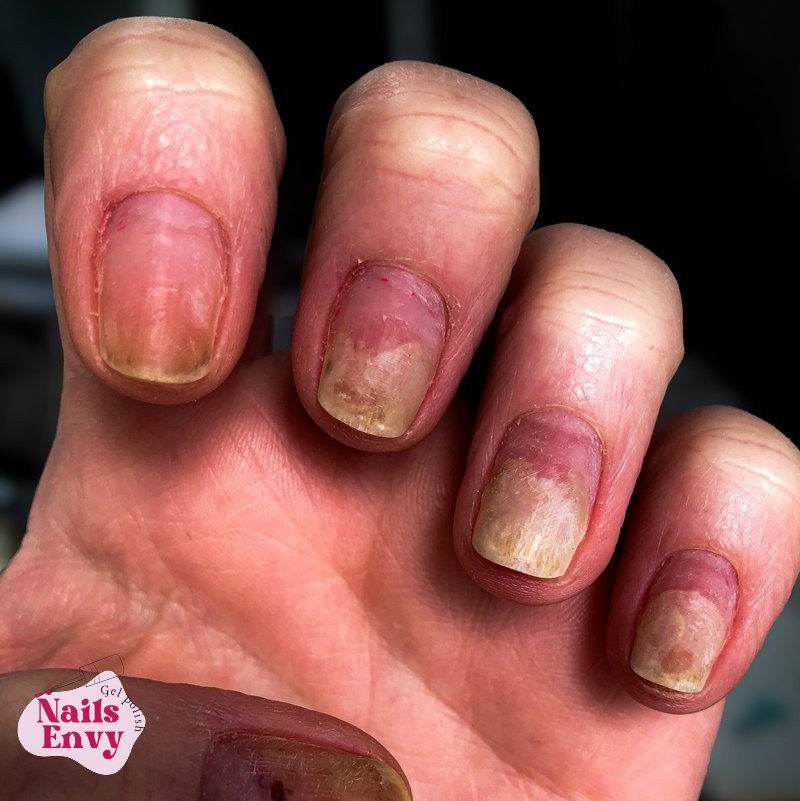
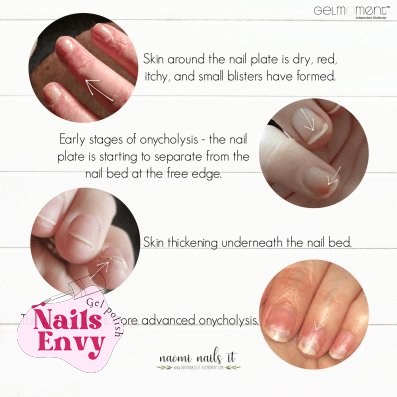
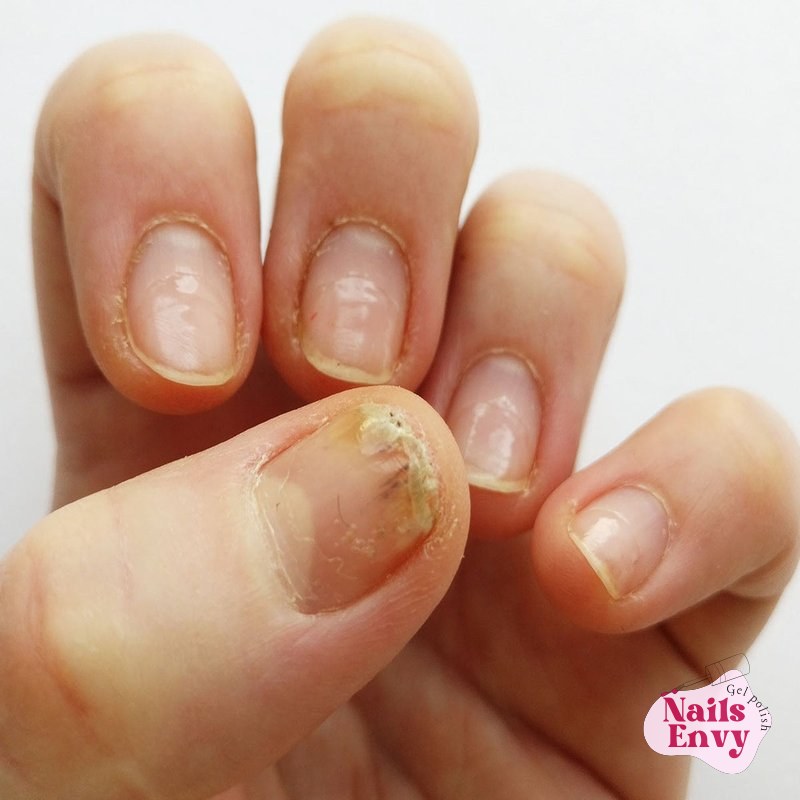
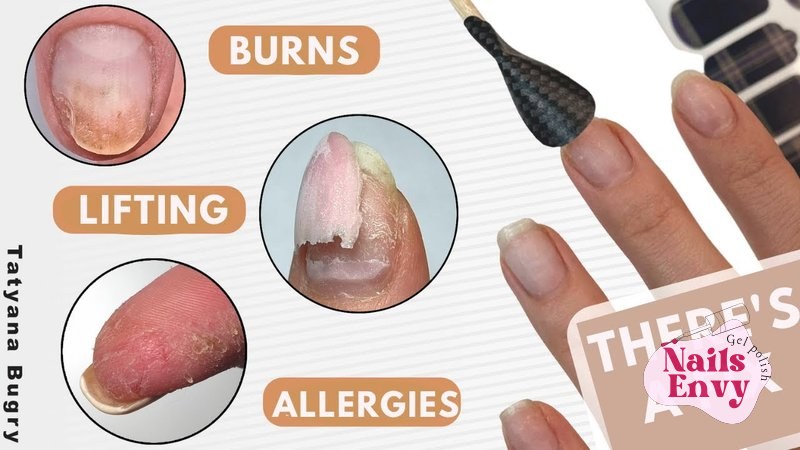
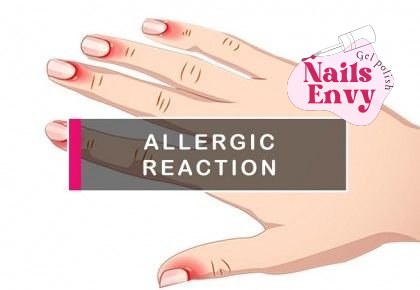
Understanding the warning signs helps you act before the reaction worsens. Most people notice discomfort within minutes to a few days after the gel is applied. Common complaints include a burning sensation, redness that spreads beyond the nail bed, and small blisters or hives on the surrounding skin. In severe cases, swelling can affect the entire fingertip, making it difficult to move the finger.
Recognize common signs
Typical gel polish allergy symptoms are:
- Itching or prickling around the nail
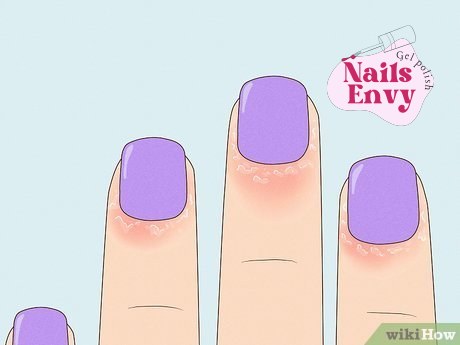
- Red, inflamed skin that may turn pink or dark
- Raised bumps or hives that appear shortly after the gel cure
- Swelling that can extend to the knuckle
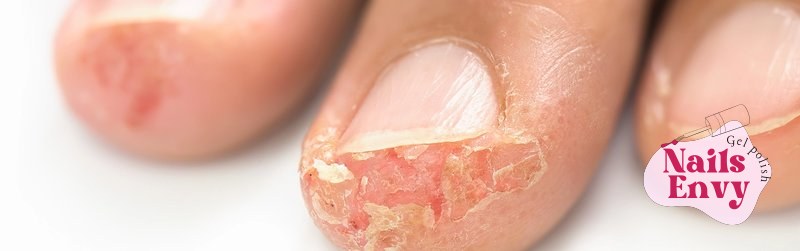
- Blister formation or peeling skin
These symptoms are often labeled as gel nail polish contact dermatitis, a form of skin inflammation caused by chemicals in the polymer resin.
When to seek medical help
If you notice intense pain, spreading redness, or signs of infection such as pus, schedule a visit with a dermatologist immediately. Persistent swelling or nail separation (onycholysis) requires professional evaluation. In rare cases, systemic reactions like fever or difficulty breathing indicate a severe allergy that needs emergency care.
Take immediate steps to treat the reaction
Act quickly to minimize irritation and prevent the allergy from escalating. The first priority is to eliminate the source of the allergen and then soothe the affected skin.
Remove the gel polish safely
Do not peel the gel off, as this can damage the nail plate and increase irritation. Soak the fingertips in warm, soapy water for 10–15 minutes, then gently use a wooden cuticle stick or a soft foil wrap to lift the softened gel. If you’re unsure, visit a professional nail salon for safe removal.
Cleanse and moisturize the area
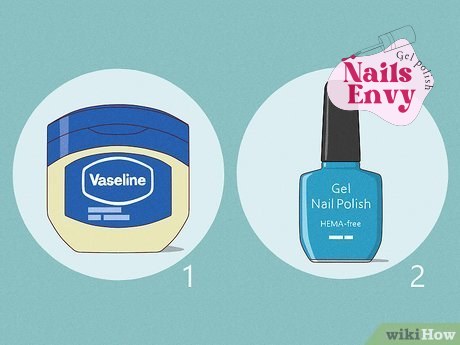
After removal, wash the hands with a mild, fragrance‑free cleanser. Pat dry and apply a hypoallergenic moisturizer or a thin layer of petroleum jelly. This creates a protective barrier and reduces dryness that can aggravate the reaction.
Use over‑the‑counter remedies
Antihistamines such as cetirizine or diphenhydramine can control itching. For inflamed skin, apply a low‑strength hydrocortisone cream (1%) two to three times daily. If symptoms persist beyond 48 hours, consider a stronger prescription steroid after consulting a dermatologist.
| Remedy type | Typical use | When to upgrade |
|---|---|---|
| Antihistamine tablets | Relieve itching and hives | If itching continues after 24 hrs |
| 1% hydrocortisone cream | Reduce mild inflammation | For moderate swelling or redness |
| Prescription steroid cream | Control severe dermatitis | Doctor‑recommended after 48 hrs |
| Moisturizing ointment | Protect skin barrier | Always, especially after cleaning |
Implement long‑term prevention and care
Preventing future reactions is as important as treating the current one. Simple habits can significantly lower the risk of developing a gel polish allergy.
Patch test new products
Before a full application, apply a small amount of the gel polish on a hidden area of skin and wait 48 hours. If no redness or itching occurs, the product is likely safe for you. Many salons now offer patch‑testing kits.
Choose hypoallergenic alternatives
Look for gel brands labeled “hypoallergenic,” “free of tosylamide,” or “low‑sensitizer.” These formulas contain fewer known allergens such as formaldehyde‑releasing agents and certain photoinitiators.
Lifestyle tips for healthy nails
Keep nails trimmed, avoid prolonged exposure to water, and use a nourishing nail oil daily. This strengthens the nail plate and reduces the likelihood of chemicals penetrating the skin.
For more personalized advice, our technicians at Nails Envy can recommend safe gel brands and help you with a professional patch test.
Frequently asked questions about gel polish allergy
What are the first signs of a gel polish allergic reaction?
Itching, redness, and a mild rash around the nail appear within minutes to a few days after application.
Can I still use gel nails if I have a mild allergy?
Yes, by choosing hypoallergenic formulas and performing a patch test before each use.
How long does it take for over‑the‑counter creams to work?
Most hydrocortisone creams start reducing inflammation within 12–24 hours if applied consistently.
Is it safe to use home remedies like baking soda paste?
Gentle home remedies can soothe mild irritation, but they should not replace medical creams for moderate to severe reactions.
When should I see a dermatologist for gel nail issues?
If symptoms persist beyond 48 hours, worsen, or you develop blisters or fever, seek professional care promptly.
In summary, how to treat an allergic reaction to gel nail polish involves removing the gel promptly, cleaning and moisturizing the skin, and using appropriate antihistamines or corticosteroids. By recognizing early symptoms, following the immediate care steps, and adopting long‑term prevention strategies, you can enjoy beautiful nails without the discomfort of an allergic flare‑up.
Ready to get safe, gorgeous nails? Visit our how to treat an allergic reaction to gel nail polish page for a detailed checklist, or book an appointment at Nails Envy today for expert guidance and allergy‑free nail services.